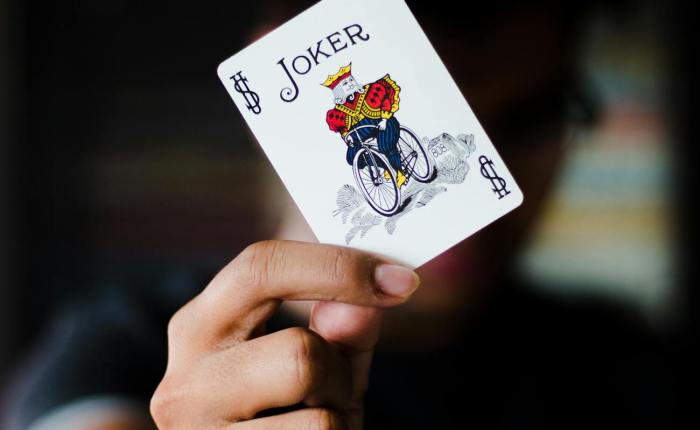
Poder sin Autoridad / Power without Authority

Poder sin Autoridad / Power without Authority

En la oficina, el aire olía a café rancio y tensión disfrazada de productividad. Para Clara, cada día era una batalla silenciosa librada entre las cuatro paredes grises de su cubículo. Su jefa, Valeria, reinaba desde la esquina con ventanal, un trono de cristal desde donde emitía órdenes como balas perfumadas con un carísimo perfume floral que a Clara le recordaba a los funerales.

Valeria no dirigía; imponía. Cada sugerencia era un decreto, cada idea ajena un error por corregir. «Clarita, cariño», decía con una sonrisa que no llegaba a los ojos, «ese informe tiene el color de portada equivocado. El azul corporativo es mi azul, el de la guía de marca que yo diseñé». Y así, desde el tono de los emails hasta la hora exacta de tomar el café, todo estaba bajo el microscopio de su ego.

Lo peor no eran las órdenes arbitrarias, sino la toxicidad envuelta en retórica de empoderamiento. Valeria celebraba reuniones de «lluvia de ideas» donde solo su lluvia era la correcta. Criticaba en público, halagaba en privado solo para después usar esas confidencias en contra. Era una maestra del gaslighting: «Nunca dije eso, Clara. Tu memoria te juega malas pasadas. ¿Estás segura de que puedes con este puesto?».

Clara guardaba su rabia en pequeños actos de rebeldía: usaba un post-it rojo en un mar de amarillos, llegaba a las 9:01 en lugar de a las 9:00 en punto, y en su escritorio, escondida tras la pantalla, tenía una libreta donde dibujaba grotescas caricaturas de Valeria con cabeza de dragón escupiendo fuego sobre montañas de papeles.

El punto de quiebre llegó un martes lluvioso. Valeria, en un arrebato de «inspiración», decidió rehacer un proyecto completo horas antes de la entrega, un trabajo de semanas. «El cliente necesita algo más visionario, algo que solo yo puedo visualizar», declaró, desechando el esfuerzo del equipo sin pestañear.

Clara, con los nudillos blancos apretando su taza, sintió el familiar impulso: quería gritar. Quería alzar la voz y decirle a esa mujer lo narcisista, lo impositiva, lo tóxica que era. Pero no lo hizo. En lugar de eso, esa noche, abrió un nuevo documento en su computadora personal. No eran caricaturas esta vez. Era el primer capítulo de una novela. La protagonista era una tirana corporativa tan infame que terminaba perdiéndolo todo, incluso su preciado perfume, al ser desenmascarada por una empleada silenciosa que llevaba un diario secreto.

Clara escribió hasta que los dedos le dolieron. Con cada palabra, el peso en su pecho se aliviaba un poco. Valeria todavía tendría su ventanal al día siguiente, su ego intacto, su reinado de micro gestiones. Pero Clara había descubierto algo: en su mundo de ficción, la justicia era posible, y el silencio ya no era una cárcel, sino el arma más afilada que tenía.

Al cerrar la laptop, miró la lluvia deslizarse por la ventana y sonrió, por primera vez en semanas, sin amargura. El grito, al fin, había encontrado su forma.


In the office, the air smelled of stale coffee and tension disguised as productivity. For Clara, each day was a silent battle fought within the four gray walls of her cubicle. Her boss, Valeria, reigned from the corner with the window, a glass throne from which she issued orders like bullets scented with an expensive floral perfume that reminded Clara of funerals.

Valeria didn’t manage; she imposed. Every suggestion was a decree, every other idea an error to be corrected. «Clarita, darling,» she’d say with a smile that didn’t reach her eyes, «that report has the wrong cover color. The corporate blue is my blue, the one from the brand guidelines I designed.» And so, from the tone of emails to the exact time for coffee breaks, everything was under the microscope of her ego.

The worst part wasn’t the arbitrary orders, but the toxicity wrapped in empowering rhetoric. Valeria held «brainstorming» meetings where only her ideas were valid. She criticized in public, flattered in private only to later use those confidences against her. She was a master of gaslighting: «I never said that, Clara. Your memory is playing tricks on you. Are you sure you can handle this position?»

Clara channeled her anger into small acts of rebellion: she used a red Post-it note amidst a sea of ​​yellow ones, arrived at 9:01 instead of 9:00 sharp, and on her desk, hidden behind her monitor, she kept a notebook where she drew grotesque caricatures of Valeria with a dragon’s head breathing fire over mountains of papers.

The breaking point came on a rainy Tuesday. Valeria, in a fit of «inspiration,» decided to redo an entire project hours before the deadline, a project weeks in the making. «The client needs something more visionary, something only I can visualize,» she declared, dismissing the team’s efforts without batting an eye.

Clara, her white knuckles gripping her mug, felt the familiar urge: she wanted to scream. She wanted to raise her voice and tell that woman how narcissistic, how domineering, how toxic she was. But she didn’t. Instead, that night, she opened a new document on her laptop. It wasn’t cartoons this time. It was the first chapter of a novel. The protagonist was a corporate tyrant so infamous that she ended up losing everything, even her precious perfume, when she was exposed by a silent employee who kept a secret diary.

Clara typed until her fingers ached. With each word, the weight in her chest eased a little. Valeria would still have her window the next day, her ego intact, her reign of micromanagement. But Clara had discovered something: in her fictional world, justice was possible, and silence was no longer a prison, but the sharpest weapon she possessed.

As she closed her laptop, she watched the rain slide down the window and smiled, for the first time in weeks, without bitterness. The scream, at last, had found its form.

El hombre que compraba sonrisas / The man who bought smiles

El hombre que compraba sonrisas / The man who bought smiles

Él nació entre números que sumaban fortunas y paredes que susurraban promesas de grandeza. Desde joven, entendió que el mundo era una transacción: él daba riquezas, y a cambio recibía admiración. Construyó imperios, compró atardeceres desde rascacielos y regaló joyas que brillaban más que los ojos de quienes las recibían. Creía que así se compraba la felicidad… ajena.

Pero las sonrisas que financió se esfumaban tras puertas cerradas. Los abrazos eran deudas disfrazadas de cariño, y los elogios, monedas gastadas que ya no tenían valor. Comenzó a notar el silencio en su mansión: eco de salones vacíos, fantasmas de risas prestadas y el crujir de su propia alma resquebrajándose.
Intentó llenar el vacío con más donaciones, más fiestas, más gente alrededor… pero eran espejismos. El ruido ahogaba momentáneamente el susurro de su soledad, pero al final de la noche, siempre quedaba solo. Con el tiempo, el vacío en su pecho se volvió tangible: un agujero negro que devoraba toda la luz que intentaba entrar.

Una madrugada, frente al espejo de su suite con vista a la ciudad, vio por primera vez la herida que nunca sangró por fuera, pero que por dentro lo desangraba gota a gota. No era un vacío, era una hemorragia de ausencias. Aquellos por los que lo dio todo nunca estuvieron allí para contener el naufragio de su alma. Y entonces entendió: había muerto en vida, ahogado en un océano de indiferencia.

Lo encontraron días después, recostado en su sillón favorito, con una calma eterna en el rostro. No había violencia física, solo el rastro metafórico de una herida invisible: el vacío lo había desangrado por completo. En su testamento, donaba toda su fortuna a fundaciones contra la depresión. Ironía final: en muerte, dio más de lo que nunca recibió en vida. Y en vida dio todo por quienes nunca se interesaron en mostrarle una pizca de interés.


He was born among numbers that added up to fortunes and walls that whispered promises of greatness. From a young age, he understood that the world was a transaction: he gave riches, and in return, he received admiration. He built empires, bought sunsets from skyscrapers, and gave away jewels that shone brighter than the eyes of those who received them. He believed that was how happiness was bought… for others.

But the smiles he financed vanished behind closed doors. The hugs were debts disguised as affection, and the praise, worn-out coins that no longer had value. He began to notice the silence in his mansion: echoes of empty halls, ghosts of borrowed laughter, and the creaking of his own soul breaking apart.
He tried to fill the void with more donations, more parties, more people around… but they were mirages. The noise momentarily drowned out the whisper of his loneliness, but at the end of the night, he was always alone. Over time, the emptiness in his chest became tangible: a black hole that devoured all the light that tried to enter.

One morning, in front of the mirror of his suite overlooking the city, He saw for the first time the wound that never bled on the outside, but that inside was bleeding him dry drop by drop. It wasn’t a void, it was a hemorrhage of absences. Those for whom he gave everything were never there to stem the sinking of his soul. And then he understood: he had died in life, drowned in an ocean of indifference.

They found him days later, reclining in his favorite chair, with an eternal calm on his face. There was no physical violence, only the metaphorical trace of an invisible wound: the emptiness had bled him dry. In his will, he donated his entire fortune to foundations against depression. The final irony: in death, he gave more than he ever received in life. And in life, he gave everything for those who never cared to show him even the slightest bit of interest.

El idealista que alguna vez fui. / The idealist I once was.

El idealista que alguna vez fui. / The idealist I once was.

Hubo un tiempo en el que creí que la vida se resumía en un empleo estable, un amor eterno, una casa cálida y un auto que nos llevara a aventuras familiares. Soñaba con esa película hollywoodense que prometía finales felices sin esfuerzo.

Pero la realidad tiene sus propios guiones, y el mío resultó estar escrito en tinta invisible. Quince años después, sigo saltando de empleo en empleo, como si el suelo bajo mis pies nunca llegara a solidificarse. Mi matrimonio, alguna vez un refugio, se ha transformado en un espejismo: la mujer con la que compartí promesas ahora es alguien que apenas reconozco.

Y luego está mi hijo, un pequeño ser de luz y sombras, diagnosticado con autismo tipo dos. A veces siento que vivo con un extraterrestre en miniatura: lo amo con locura, pero no siempre logro entenderlo. La economía se encargó de arrebatarnos la casa propia, y hoy somos nómadas dependiendo de nuestros padres, mientras el auto familiar se ha convertido en un taxi sin destino fijo.

Mi familia es un rompecabezas de piezas rotas: un medio hermano perdido en el juego con una enamorada tóxica, padres que miraron hacia otro lado cuando la bomba estalló, suegros disfuncionales—uno prófugo de la ley, la otra atrapada en su mundo limitado—.

Soy el hombre que carga con los pedazos. A veces solo, a veces acompañado, pero siempre con el peso de lo que pudo ser y nunca fue.

Me di cuenta demasiado tarde de que fui un idealista: esperaba que un ser sobrenatural, un milagro, abriera de pronto un portal y me llevara a ese mundo perfecto que soñaba. Pero los milagros son escasos, y la religión—como dijo Nietzsche—a veces no es más que el opio que adormece al pueblo.

Hoy sé que la única magia que existe es la determinación, la disciplina y la constancia… pero siempre anclada en la realidad. Conocer el mundo en el que vives, aceptar sus reglas y fluir con él—no en contra—. Jugar a ser el héroe, solo trae dolor.

Si alguien lee esto, que sepa: no esperes portales mágicos. Construye con lo que tienes, ama con lo que eres y avanza sin ilusiones vacías. La vida no es una película… pero aún así, puede tener destellos de belleza en medio del caos.


There was a time when I believed life was summed up in a stable job, eternal love, a warm home, and a car that would take us on family adventures. I dreamed of that Hollywood movie that promised happy endings effortlessly.

But reality has its own scripts, and mine turned out to be written in invisible ink. Fifteen years later, I’m still jumping from job to job, as if the ground beneath my feet would never solidify. My marriage, once a refuge, has become a mirage: the woman with whom I shared promises is now someone I barely recognize.

And then there’s my son, a tiny being of light and shadow, diagnosed with type 2 autism. Sometimes I feel like I’m living with a miniature alien: I love him madly, but I can’t always understand him. The economy took over our home, and today we’re nomads dependent on our parents, while the family car has become a taxi with no fixed destination.

My family is a puzzle of broken pieces: a half-brother lost in a game with a toxic girlfriend, parents who looked the other way when the bomb exploded, dysfunctional in-laws—one a fugitive from the law, the other trapped in her own limited world.

I am the man who carries the pieces. Sometimes alone, sometimes together, but always burdened by the weight of what could have been but never was.

I realized too late that I was an idealist: I hoped that a supernatural being, a miracle, would suddenly open a portal and take me to that perfect world I dreamed of. But miracles are rare, and religion—as Nietzsche said—is sometimes nothing more than the opium that lulls people to sleep.

Today I know that the only magic that exists is determination, discipline, and perseverance… but always anchored in reality. Knowing the world you live in, accepting its rules, and flowing with it—not against it. Playing the hero only brings pain.

If anyone reads this, let them know: don’t expect magic portals. Build with what you have, love with who you are, and move forward without empty hopes. Life isn’t a movie… but it can still have glimpses of beauty amidst the chaos.