La muerte que no avisa. / The Death That Doesn’t Warn.

La muerte que no avisa. / The Death That Doesn’t Warn.

Hay una muerte que no duele por lo que arrebata, sino por lo que deja sin decir.

No es la muerte en sí lo que me quita el sueño. Es su puntualidad imposible, su manera de llegar sin cita, sin llamar a la puerta, sin darnos el tiempo mínimo que todo adiós merece. Es esa muerte que no se anuncia, la que se cuela por una esquina cualquiera de un martes común, mientras alguien todavía tiene planes para el fin de semana.

Dicen que lo más triste es morir. Yo creo que lo más triste es no saber cuándo. Porque el que se va no sufre la ausencia: la sufrimos nosotros, los que nos quedamos con las palabras atragantadas, con los abrazos pendientes, con esa conversación que nunca tuvimos porque «ya habrá tiempo».

La peor muerte es la que llega de sorpresa. La del accidente, la del infarto silencioso, la del «fue todo tan rápido». Esa muerte no respeta despedidas. No permite el último café, ni la última llamada, ni ese último «cuídate» dicho con el corazón en la mano. Simplemente llega, y de un golpe seco convierte un «hasta luego» cotidiano en un «nunca más» que nadie firmó.

Y entonces uno empieza a recordar. Recuerda las veces que pudo quedarse un rato más y no lo hizo. Recuerda las veces que colgó el teléfono con prisa. Recuerda los mensajes que dejó sin responder pensando que habría mil oportunidades después. Y entiende, con una lucidez que duele, que no las había. Que la vida no garantiza segundas oportunidades, mucho menos terceras.

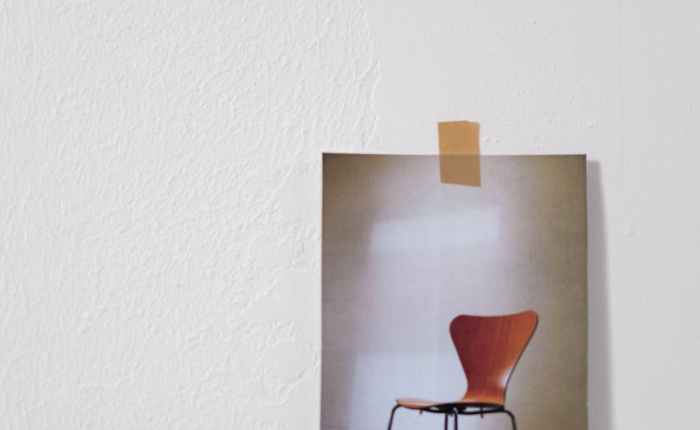
Porque el dolor no está en la muerte. Está en el silencio que deja. En la silla vacía. En el número que ya nadie contesta. En el «te quiero» que se quedó guardado en el pecho, esperando el momento perfecto que jamás llegó.


Si pudiera tener un segundo más contigo, tío, no lo gastaría en grandes discursos. Lo gastaría en lo esencial, en lo que de verdad importa cuando ya no queda tiempo:

Te quiero.

No como se dice al pasar, sino como se dice cuando sabes que es la última vez. Con los ojos, con las manos, con todo lo que no supe decir antes.

Te deseo lo mejor.

Donde quiera que estés, ojalá estés en paz. Ojalá no hayas sentido miedo. Ojalá, si algo te dolió, haya sido breve. Te deseo lo mejor.

Sé feliz.

Eso te pediría. Que seas feliz allá donde vayas, como fuiste feliz aquí con nosotros, aunque no siempre te lo dijéramos. Que sepas que dejaste huella. Que sepas que te recordamos. Que sepas que, aunque te fuiste sin avisar, nunca te vas a ir del todo.

Un segundo. Solo un segundo más. Y luego, con la voz quebrada y el alma en las manos:

Adiós, tío.

Gracias por todo lo que me diste sin que yo supiera pedirlo. Gracias por estar. Gracias por ser.

Ojalá hubiera sabido que aquel día era el último. Ojalá hubiera dicho todo esto antes.

Pero la muerte no avisa. Y eso, tío, es lo que más duele.


There is a death that doesn’t hurt because of what it takes, but because of what it leaves unsaid.

It isn’t death itself that keeps me awake. It’s its impossible punctuality, its way of arriving without an appointment, without knocking on the door, without giving us the bare minimum of time that every goodbye deserves. It’s that death that doesn’t announce itself, the one that slips through any corner of an ordinary Tuesday, while someone still has plans for the weekend.

They say the saddest thing is dying. I believe the saddest thing is not knowing when. Because the one who leaves doesn’t suffer the absence: we do, those of us who stay behind with the words stuck in our throats, with the embraces still pending, with that conversation we never had because «there will be time.»

The worst death is the one that comes by surprise. The one from the accident, the silent heart attack, the «it all happened so fast.» That death doesn’t respect goodbyes. It doesn’t allow the last coffee, or the last call, or that last «take care» said with your heart in your hands. It simply arrives, and with a dry blow turns an everyday «see you later» into a «never again» that no one signed.

And then you start to remember. You remember the times you could have stayed a little longer and didn’t. You remember the times you hung up the phone in a hurry. You remember the messages you left unanswered thinking there would be a thousand chances later. And you understand, with a lucidity that hurts, that there weren’t. That life doesn’t guarantee second chances, much less third ones.

Because the pain isn’t in death. It’s in the silence it leaves behind. In the empty chair. In the number no one answers anymore. In the «I love you» that stayed locked in your chest, waiting for the perfect moment that never came.


If I could have one more second with you, uncle, I wouldn’t spend it on grand speeches. I would spend it on the essential, on what truly matters when there’s no time left:

I love you.

Not the way you say it in passing, but the way you say it when you know it’s the last time. With your eyes, with your hands, with everything I didn’t know how to say before.

I wish you all the best.

Wherever you are, I hope you’re at peace. I hope you didn’t feel afraid. I hope, if anything hurt, it was brief. I wish you all the best, even though I can no longer give it to you myself.

Be happy.

That’s what I would ask of you. That you be happy wherever you go, as you were happy here with us, even if we didn’t always tell you. That you know you left a mark. That you know we remember you. That you know that, even though you left without warning, you will never truly be gone.

One second. Just one more second. And then, with a broken voice and my soul in my hands:

Goodbye, uncle.

Thank you for everything you gave me without me knowing how to ask for it. Thank you for being there. Thank you for being.

I wish I had known that day was the last. I wish I had said all of this before.

But death doesn’t warn. And that, uncle, is what hurts the most.
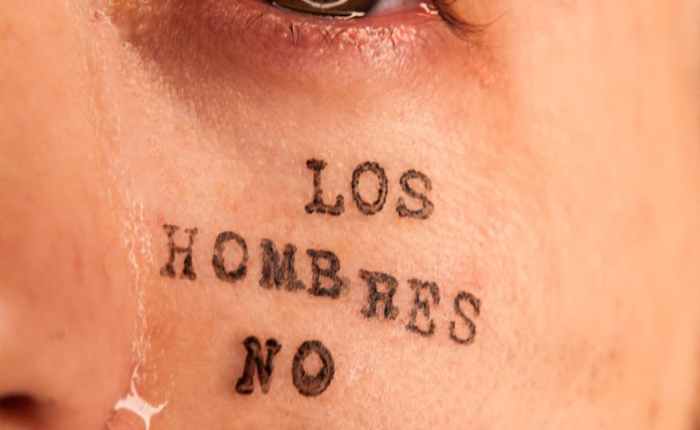
El idealista que alguna vez fui. / The idealist I once was.

El idealista que alguna vez fui. / The idealist I once was.

Hubo un tiempo en el que creí que la vida se resumía en un empleo estable, un amor eterno, una casa cálida y un auto que nos llevara a aventuras familiares. Soñaba con esa película hollywoodense que prometía finales felices sin esfuerzo.

Pero la realidad tiene sus propios guiones, y el mío resultó estar escrito en tinta invisible. Quince años después, sigo saltando de empleo en empleo, como si el suelo bajo mis pies nunca llegara a solidificarse. Mi matrimonio, alguna vez un refugio, se ha transformado en un espejismo: la mujer con la que compartí promesas ahora es alguien que apenas reconozco.

Y luego está mi hijo, un pequeño ser de luz y sombras, diagnosticado con autismo tipo dos. A veces siento que vivo con un extraterrestre en miniatura: lo amo con locura, pero no siempre logro entenderlo. La economía se encargó de arrebatarnos la casa propia, y hoy somos nómadas dependiendo de nuestros padres, mientras el auto familiar se ha convertido en un taxi sin destino fijo.

Mi familia es un rompecabezas de piezas rotas: un medio hermano perdido en el juego con una enamorada tóxica, padres que miraron hacia otro lado cuando la bomba estalló, suegros disfuncionales—uno prófugo de la ley, la otra atrapada en su mundo limitado—.

Soy el hombre que carga con los pedazos. A veces solo, a veces acompañado, pero siempre con el peso de lo que pudo ser y nunca fue.

Me di cuenta demasiado tarde de que fui un idealista: esperaba que un ser sobrenatural, un milagro, abriera de pronto un portal y me llevara a ese mundo perfecto que soñaba. Pero los milagros son escasos, y la religión—como dijo Nietzsche—a veces no es más que el opio que adormece al pueblo.

Hoy sé que la única magia que existe es la determinación, la disciplina y la constancia… pero siempre anclada en la realidad. Conocer el mundo en el que vives, aceptar sus reglas y fluir con él—no en contra—. Jugar a ser el héroe, solo trae dolor.

Si alguien lee esto, que sepa: no esperes portales mágicos. Construye con lo que tienes, ama con lo que eres y avanza sin ilusiones vacías. La vida no es una película… pero aún así, puede tener destellos de belleza en medio del caos.


There was a time when I believed life was summed up in a stable job, eternal love, a warm home, and a car that would take us on family adventures. I dreamed of that Hollywood movie that promised happy endings effortlessly.

But reality has its own scripts, and mine turned out to be written in invisible ink. Fifteen years later, I’m still jumping from job to job, as if the ground beneath my feet would never solidify. My marriage, once a refuge, has become a mirage: the woman with whom I shared promises is now someone I barely recognize.

And then there’s my son, a tiny being of light and shadow, diagnosed with type 2 autism. Sometimes I feel like I’m living with a miniature alien: I love him madly, but I can’t always understand him. The economy took over our home, and today we’re nomads dependent on our parents, while the family car has become a taxi with no fixed destination.

My family is a puzzle of broken pieces: a half-brother lost in a game with a toxic girlfriend, parents who looked the other way when the bomb exploded, dysfunctional in-laws—one a fugitive from the law, the other trapped in her own limited world.

I am the man who carries the pieces. Sometimes alone, sometimes together, but always burdened by the weight of what could have been but never was.

I realized too late that I was an idealist: I hoped that a supernatural being, a miracle, would suddenly open a portal and take me to that perfect world I dreamed of. But miracles are rare, and religion—as Nietzsche said—is sometimes nothing more than the opium that lulls people to sleep.

Today I know that the only magic that exists is determination, discipline, and perseverance… but always anchored in reality. Knowing the world you live in, accepting its rules, and flowing with it—not against it. Playing the hero only brings pain.

If anyone reads this, let them know: don’t expect magic portals. Build with what you have, love with who you are, and move forward without empty hopes. Life isn’t a movie… but it can still have glimpses of beauty amidst the chaos.

Pragmático / Pragmatico

Pragmático / Pragmatico
Qué ironía de la vida, 
decir que escribo mucho,
solo expreso lo que siento,
a un público de uno,
la única amiga que tengo,
la única que me oiría,
no te enfades vida mía,
juraste tener oídos,
solo para escucharme.

Pensar que escribo con los sentimientos,
muchas veces falto de razón,
pero siempre hablando franco,
mi voz bailando al son.

En mi vida estoy,
obligado a jugar en dos posiciones,
para el trabajo ser pragmático,
para ti,
solo un mar de emociones.

Qué sería de mi,
si no tuviera alguien que me escuche,
con quién pueda ser natural,
y no actuar para ser aceptado.

Qué dicha saber,
que me ves cómo soy aunque me odies,
y me ames aunque sepas cómo soy.

Para otros,
soy un reflejo de sus ideales,
solo quiero de ellos,
lo que cada fin de mes,
llega a mi cuenta.

A veces necesito hablar hasta de más,
para invitarte a la reflexión,
mientras que en otros escenarios,
debo ser pragmático,
para obtener recompensas,
por una tonta decisión.

Cuando hable y escriba mucho,
más de lo que puedes soportar,
dímelo con franqueza,
que no busco mis palabras acaparar,
ni mucho menos,
¡mandar a callar las tuyas!

Solo invito a la reflexión,
lo que en otro contexto haría sin pensar,
buscar soluciones,
pero de ves en cuando,
de rato en rato,
necesito reflexionar.

Che ironia della vita, dire che scrivo molto,
Esprimo semplicemente ciò che sento, a un pubblico di una persona,
All'unico amico che ho,
l'unico che mi ascoltava,
Non arrabbiarti, amore mio,
Hai giurato di avere orecchie,
solo per ascoltarmi.

Pensare che scrivo con sentimenti,
spesso privo di ragione,
ma parlando sempre francamente,
la mia voce che danza a ritmo,
dal mio cuore.

Nella mia vita sono costretto a ricoprire due ruoli,
per il lavoro sii pragmatico,
per te solo un mare di emozioni.

Cosa ne sarebbe di me se non avessi nessuno che mi ascoltasse?
con cui posso essere naturale,
e non agire, per essere accettati.

Che gioia sapere che mi vedi per come sono, anche se mi odi,
e mi ami anche se sai come sono e come appaio.

Per altri sono il riflesso dei loro ideali,
Voglio da loro solo quello che ricevono alla fine di ogni mese,
arriva sul mio account.

A volte ho bisogno di parlare ancora di più,
per invitarti a riflettere.
Mentre in altri scenari,
Devo essere pragmatico,
per ottenere ricompense,
per una decisione stupida.

Quando parli e scrivi molto,
più di quanto tu possa sopportare,
Dimmi francamente, non cerco di monopolizzare le mie parole,
e tanto meno dite ai vostri di stare zitti.

Ti invito solo a riflettere su ciò che in un altro contesto farei senza pensarci,
cercare soluzioni, ma di tanto in tanto,
di tanto in tanto,
Ho bisogno di riflettere.

Cobarde / Coward

Cobarde / Coward
Pusilánime incapaz, donde el miedo es hogar,  
Su paz singular, evita que afronte,
las batallas de cada día, las peleas que da la vida,
decisiones tomadas, cubierta por un mal enfoque.

Ama la calma, no pisa terreno incierto,
temblando en la sombra, evita los desconciertos.
El peligro se mofa, de su carácter amilanado,
abraza su refugio, una soledad autoimpuesta,
totalmente paralizado.

Ser valiente es de algunos, enfrentar todo reto,
pero hay dicha en la cobardía, en ese respeto
al susurro que dice: "No te expongas, no te arriesgues,"
y así el cobarde danza en el silencio,
vive huyendo de su madurez, con total atrevimiento.

En un mundo que clama por héroes y acciones,
él encuentra en el temor sus propias canciones.
Celebra su falta de resiliencia, con sonrisas escondidas,
escapando a la realidad, viviendo sin responsabilidad.

Mientras otros avanzan, por caminos de audacia,
este miserable ser, de negaciones se engracia.
Porque en la cobardía hay una verdad sutil,
se vive sin heridas, sin dolores, sin llantos y quejidos,
en un mundo febril, se vive siendo un infeliz,
que desea todo, haberlo perdido.

Cowardly, incapable, where fear is home,
His unique peace prevents him from facing,
the battles of each day, the fights that life gives,
decisions made, covered by a bad approach.

He loves calm, does not tread uncertain ground,
trembling in the shadow, he avoids confusion.
Danger mocks his timid character,
he embraces his refuge, a self-imposed solitude,
totally paralyzed.

Being brave is for some, facing every challenge,
but there is joy in cowardice, in that respect
for the whisper that says: "Don't expose yourself, don't risk yourself,"
and so the coward dances in silence,
he lives fleeing from his maturity, with total daring.

In a world that cries out for heroes and actions,
he finds in fear his own songs. He celebrates his lack of resilience, with hidden smiles,
escaping from reality, living without responsibility.

While others advance, along paths of audacity,
this miserable being, is graced by denials.
Because in cowardice there is a subtle truth,
one lives without wounds, without pain, without tears and moans,
in a feverish world, one lives being unhappy,
who wishes to have lost everything.