Él nació entre números que sumaban fortunas y paredes que susurraban promesas de grandeza. Desde joven, entendió que el mundo era una transacción: él daba riquezas, y a cambio recibía admiración. Construyó imperios, compró atardeceres desde rascacielos y regaló joyas que brillaban más que los ojos de quienes las recibían. Creía que así se compraba la felicidad… ajena.
Pero las sonrisas que financió se esfumaban tras puertas cerradas. Los abrazos eran deudas disfrazadas de cariño, y los elogios, monedas gastadas que ya no tenían valor. Comenzó a notar el silencio en su mansión: eco de salones vacíos, fantasmas de risas prestadas y el crujir de su propia alma resquebrajándose.
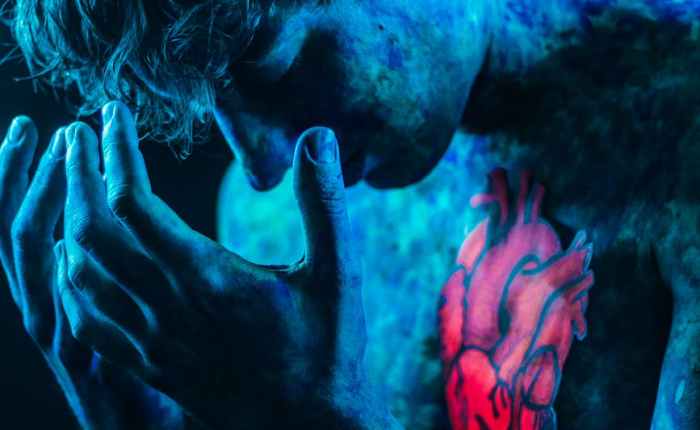
Intentó llenar el vacío con más donaciones, más fiestas, más gente alrededor… pero eran espejismos. El ruido ahogaba momentáneamente el susurro de su soledad, pero al final de la noche, siempre quedaba solo. Con el tiempo, el vacío en su pecho se volvió tangible: un agujero negro que devoraba toda la luz que intentaba entrar.
Una madrugada, frente al espejo de su suite con vista a la ciudad, vio por primera vez la herida que nunca sangró por fuera, pero que por dentro lo desangraba gota a gota. No era un vacío, era una hemorragia de ausencias. Aquellos por los que lo dio todo nunca estuvieron allí para contener el naufragio de su alma. Y entonces entendió: había muerto en vida, ahogado en un océano de indiferencia.
Lo encontraron días después, recostado en su sillón favorito, con una calma eterna en el rostro. No había violencia física, solo el rastro metafórico de una herida invisible: el vacío lo había desangrado por completo. En su testamento, donaba toda su fortuna a fundaciones contra la depresión. Ironía final: en muerte, dio más de lo que nunca recibió en vida. Y en vida dio todo por quienes nunca se interesaron en mostrarle una pizca de interés.
He was born among numbers that added up to fortunes and walls that whispered promises of greatness. From a young age, he understood that the world was a transaction: he gave riches, and in return, he received admiration. He built empires, bought sunsets from skyscrapers, and gave away jewels that shone brighter than the eyes of those who received them. He believed that was how happiness was bought… for others.
But the smiles he financed vanished behind closed doors. The hugs were debts disguised as affection, and the praise, worn-out coins that no longer had value. He began to notice the silence in his mansion: echoes of empty halls, ghosts of borrowed laughter, and the creaking of his own soul breaking apart.
He tried to fill the void with more donations, more parties, more people around… but they were mirages. The noise momentarily drowned out the whisper of his loneliness, but at the end of the night, he was always alone. Over time, the emptiness in his chest became tangible: a black hole that devoured all the light that tried to enter.
One morning, in front of the mirror of his suite overlooking the city, He saw for the first time the wound that never bled on the outside, but that inside was bleeding him dry drop by drop. It wasn’t a void, it was a hemorrhage of absences. Those for whom he gave everything were never there to stem the sinking of his soul. And then he understood: he had died in life, drowned in an ocean of indifference.
They found him days later, reclining in his favorite chair, with an eternal calm on his face. There was no physical violence, only the metaphorical trace of an invisible wound: the emptiness had bled him dry. In his will, he donated his entire fortune to foundations against depression. The final irony: in death, he gave more than he ever received in life. And in life, he gave everything for those who never cared to show him even the slightest bit of interest.